Top-rated independent appliance repair on Oahu & the Islands
When the Oven Lies About Its Temperature
If your oven's dial says 350 but the food says otherwise, that's temperature drift, and it's one of the most common calls we take from Honolulu kitchens. Cookies burning on the bottom in ten minutes. Or a casserole still pale and soupy after an hour. The good part is that it's usually one part, and usually findable. Here's what's going on.
Call (888) 857-9883- Real people on the phone
- 7 days a week
- Quote in writing before any work
Taking calls until 5:00 PM HST
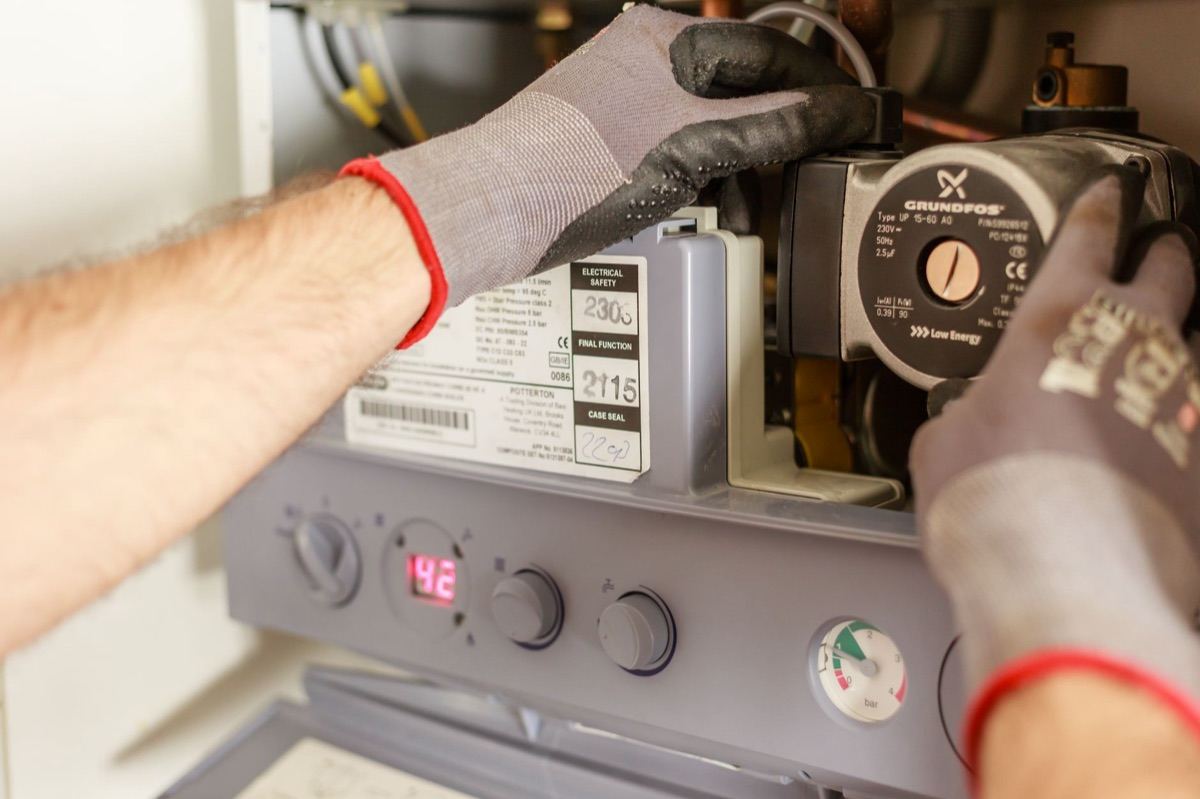
From the technicians at Tunista Appliance Repair
What "running hot or cold" actually means
Every oven cycles. It heats past your set temperature, shuts off, drifts down, then kicks on again. A healthy oven keeps that swing tight and centered where you set it. When the swing wanders, the food tells you before anything else does. Edges scorch while centers stay raw, and baking times stretch way past the recipe. Sometimes broiling works fine but baking does not. That pattern matters to us. An oven that broils well but bakes poorly points somewhere different than an oven that never gets warm, so pay attention to which cooking modes fail and which still behave normally.
Start with the cheap stuff: calibration and habits
Most ovens let you offset the temperature by a few degrees through the control panel. Owners bump it by accident, or a previous homeowner set it and moved out. Your manual will show the steps. Then look at how you use the oven. Preheating for five minutes is not enough for most units, so give it fifteen or twenty. Dark pans and glass dishes cook hotter than shiny metal. A crowded oven blocks airflow, so the rack nearest the food runs cool. And if the door seal is squashed or torn, heat leaks out steadily. Rule all that out before anything else.
Sensors, thermostats, and elements
Behind the calibration layer sit a few real parts. The oven sensor is a thin probe inside the cavity that reports temperature to the control board. When it drifts, the oven chases a wrong number and your food pays for it. Older models use a bulb-and-capillary thermostat instead, which can lose its charge. Then there's the heating element. A bake element that has partly failed still glows in spots but cannot hold heat, so the oven takes forever and never settles. On island homes near the water, salt air corrodes sensor terminals and element connections faster than it does inland.
Safe checks you can do right now
Buy an oven thermometer and hang it from the center rack. Set 350, wait twenty minutes past the preheat beep, then read it. Do that twice. If it reads 320 or 385 consistently, you have a real number to give us. Next, close the door on a strip of paper and tug. If it slides out easily, the gasket is not sealing. Run your hand along the gasket and feel for cracks, gaps, or flat spots. Look through the window while baking to see if the bottom element glows evenly. Stop there. Do not remove back panels, do not touch gas connections, do not probe wiring.
What we do that you cannot
We test the sensor's resistance cold and hot against the manufacturer's spec chart, so we know if it lies at 200 but not at 400. We read the control board's error history. We check element draw under load, watch the actual cycling pattern through a full bake, and inspect terminals for the green corrosion we see constantly in coastal Hawaii homes. We check the door hinges too, since a sagging door mimics a bad sensor. If a part is needed, we tell you straight whether it stocks locally or ships in from the mainland, so you can plan meals around it. Call us and describe your thermometer readings.
When the Oven Lies About Its Temperature — straight answers
Can I just set my oven 25 degrees higher and live with it?
Short term, yes, if your thermometer shows a steady offset. But a failing sensor or element usually drifts further over time, so the workaround stops working. Better to have the actual cause checked.
Why does my oven bake badly but broil fine?
Broiling runs the top element on full blast with no temperature regulation. Baking depends on the sensor and thermostat controlling the cycle. So a sensor problem shows up in baking while broiling looks normal.
How long will a replacement part take here in Hawaii?
Depends on the part. Common sensors and bake elements are often on-island. Control boards and model-specific pieces usually ship from the mainland, which adds days. We give you a realistic window up front.
How it works
- Step 1
Tell us the sound
Call us or fill in the form and describe what you hear, smell, or see. Puddle under the washer? Clicking from the fridge? Small details help us load the right parts before we drive out.
- Step 2
We look it over
Our tech opens the machine and tests for the real cause instead of guessing. Salt-eaten terminals and humid control boards hide well. You hear exactly what failed and which repair options make sense.
- Step 3
Fixed or scheduled
Many repairs finish on the same visit with parts off the van. When something has to ship in from the mainland, we tell you straight, order it, and keep you posted until it lands.
- A real person answers
- Open 7 days
- Written quote before work starts
Why homeowners call us
- Built for salt airCoastal homes chew through appliances. We check for corroded connectors, rusted brackets, and moisture sitting in control boards, because fixing the symptom means little if salt keeps eating the same part next season.
- Humidity knows-howDamp trade wind air makes dryers work harder and vents clog faster. We clear the airflow path and test moisture sensors, then explain the small habits that keep your laundry room from fighting the weather.
- Straight talk on partsShipping across the Pacific takes time, and we say so up front instead of vanishing. You get realistic timing and a plan for the wait. If a machine isn't worth waiting for, we'll tell you that too.
- Independent and localWe are an independent repair company and we work on all major brands. No sales pitch for a new unit. Neighbors talking to neighbors, in plain words, about the machine sitting in your kitchen right now.
- All major brands, gas & electricWhirlpool, Samsung, LG, GE, Maytag, Bosch, KitchenAid and more, as an independent repair company.
- Straight answersWhen a repair doesn't make sense, we tell you, sometimes before we even roll a truck.
About this guide
If the safe checks didn't fix it, the fault is real
Report what you saw during the checks and we handle the rest. A minute to book.
- A real person answers
- Open 7 days
- Written quotes
- All major brands
- Gas & electric
Rather not call? Get a free quote →